



Exploring cultural perspectives in gambling practices around the world
The Historical Context of Gambling
Gambling has a long and varied history across different cultures, with roots that can be traced back thousands of years. In ancient China, for instance, evidence of gambling activities dates back to the Shang Dynasty, where games of chance were used not only for entertainment but also for divination purposes. Similarly, in ancient Rome, gambling was integrated into daily life, with citizens participating in games and betting on gladiatorial contests, demonstrating the social and communal aspects of gambling. Today, to find reputable platforms, you can consult a betting sites uk list that offers expert reviews.
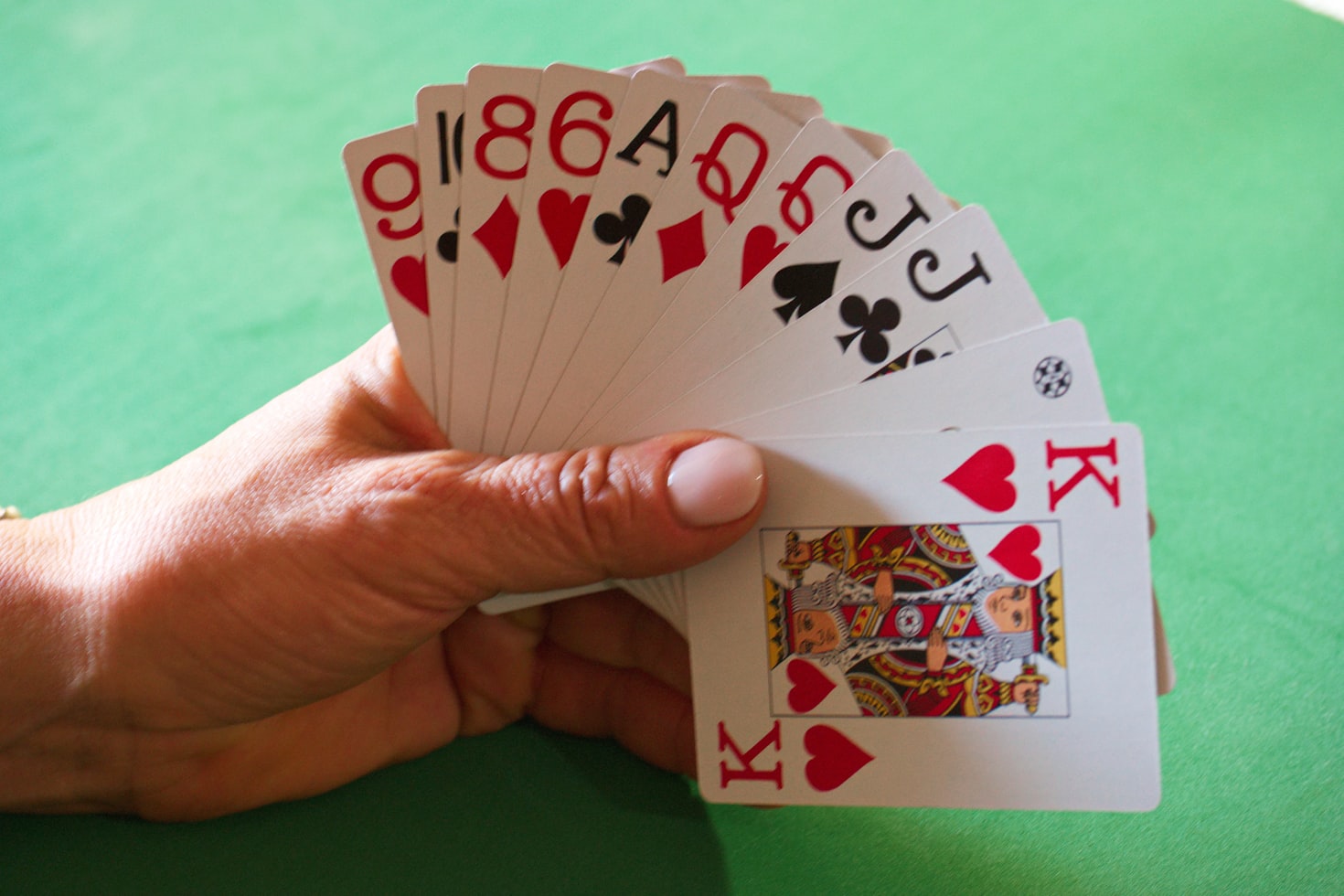
These historical practices laid the foundation for modern gambling, influencing not only the games played but also the societal attitudes surrounding them. In many cultures, gambling evolved into a form of socialization and community bonding, often associated with celebrations and festivals. These early practices highlight how gambling was deeply intertwined with cultural rituals and social interactions, shaping the way people viewed chance and luck.
As time progressed, the perception of gambling shifted with the advent of organized games and the establishment of casinos. The legitimacy of gambling varied widely depending on cultural attitudes and government regulations. In regions like Europe, particularly in Italy and France, the establishment of casinos in the 17th and 18th centuries marked a significant transition, turning gambling into a more structured and formalized activity.
Cultural Attitudes Towards Gambling
The attitudes towards gambling can greatly differ across cultures, often influenced by religious beliefs and social norms. In Islamic cultures, for example, gambling is strictly prohibited, considered a vice that detracts from faith and ethical behavior. This prohibition stems from interpretations of the Quran and emphasizes the importance of earning a living through hard work rather than relying on chance.
Conversely, in many Western cultures, gambling is generally accepted and even celebrated as a form of entertainment. Countries like the United States embrace gambling as part of their cultural fabric, with Las Vegas standing as a symbol of excess and freedom. This acceptance reflects a more liberal approach to personal choice and risk-taking, often viewed as a part of the broader narrative of pursuing happiness and enjoyment.
These differing perspectives can lead to significant disparities in gambling practices. In regions where gambling is accepted, you can find a rich variety of games, betting styles, and events, while in cultures that view gambling negatively, these activities might be pushed underground or strictly regulated. This dichotomy creates a fascinating landscape of gambling worldwide, shaped by history, culture, and belief systems.
Regional Variations in Gambling Practices
Across the globe, regional variations in gambling practices reflect the unique cultural contexts from which they emerge. In Asia, for example, games like Mahjong and Sic Bo have deep-rooted traditions and are often played during family gatherings and festivals. These games are not merely about winning money but are interwoven with social interactions and cultural identity, fostering community ties.
In contrast, Europe has a distinct approach to gambling, characterized by a mix of traditional games and modern innovations. In countries like the United Kingdom, betting on sports events such as horse racing is a cherished pastime, often linked to national pride. The integration of online gambling platforms has also transformed the landscape, allowing greater accessibility and a wider audience for these traditional betting practices.
Meanwhile, in North America, the legalization of sports betting in recent years has ushered in a new era for gambling culture. States are now rapidly expanding their gaming industries, reflecting changing attitudes towards gambling as a legitimate form of entertainment. This evolution underscores the dynamic nature of gambling practices and how they continue to adapt to societal changes and technological advancements.
Impact of Technology on Gambling
The rise of technology has revolutionized the gambling industry, transforming how games are played and how bets are placed. Online gambling platforms have emerged as a significant force, making gambling more accessible to a broader audience. This shift is evident in the increasing number of users engaging in online casinos and sports betting websites, which offer an array of games and betting options at their fingertips.
Furthermore, mobile technology has played a pivotal role in shaping modern gambling practices. With the ability to place bets anywhere and anytime, mobile gambling apps have catered to a growing demographic that values convenience and spontaneity. This trend has not only expanded the user base but has also introduced new game formats and interactive features that enhance user engagement and experience.
However, the technological evolution of gambling also raises concerns regarding responsible gaming and addiction. As gambling becomes increasingly accessible, there is a pressing need for regulatory frameworks to protect vulnerable individuals. Ensuring that technology serves as a positive force in gambling practices requires ongoing dialogue between industry stakeholders and advocacy groups to promote safe gaming environments and responsible gambling behaviors.
The Role of Globalization in Gambling Culture
Globalization has significantly influenced gambling practices around the world, leading to a cross-pollination of games, betting strategies, and cultural attitudes. With the advent of the internet and international travel, people have been exposed to diverse gambling experiences, allowing them to adopt and adapt practices from other cultures. This blending of traditions can create unique hybrid forms of gambling, reflecting the interconnectedness of our global society.
Moreover, major international events, such as the World Cup or the Olympics, have further integrated gambling into the global culture. These events attract millions of viewers, prompting increased interest in betting opportunities that extend beyond local markets. This phenomenon illustrates how globalization not only affects the mechanics of gambling but also shapes public perception and engagement with it on a grand scale.
As cultures share their gambling practices, they also bring their values and ethics, leading to debates around responsible gambling, regulation, and the societal impact of betting. This cultural exchange highlights the importance of understanding and respecting the diverse perspectives that different societies hold regarding gambling, shaping a more inclusive global gambling culture.

Exploring our Website for More Insights
Our website serves as a comprehensive resource for exploring various aspects of gambling practices around the world. With detailed articles and analyses, we aim to provide insights into the cultural, historical, and technological influences that shape gambling today. Whether you’re interested in learning about traditional practices or modern trends, our curated content offers a wealth of information.
We also prioritize responsible gambling and aim to raise awareness about the potential risks associated with gambling activities. Through informative guides and tips, we strive to promote safe gaming practices, encouraging our readers to engage responsibly and enjoy their experiences. Our goal is to foster a community that appreciates the nuances of gambling while respecting individual choices and cultural backgrounds.
As you navigate our site, you’ll find a variety of resources designed to enhance your understanding of the global gambling landscape. From expert analyses to practical tips, our website is dedicated to exploring the multifaceted world of gambling, ensuring you stay informed and engaged with this captivating subject.